

As a supplier of Breeder Nest Boxes, I've encountered numerous inquiries from poultry farmers regarding the necessity of regular cleaning for these essential components of a breeding operation. This blog aims to delve into the scientific rationale behind regular cleaning of breeder nest boxes, exploring the benefits, challenges, and best practices associated with maintaining a clean nesting environment.
The Importance of Cleanliness in Breeder Nest Boxes
1. Egg Quality
One of the primary reasons for regular cleaning of breeder nest boxes is to ensure high - quality eggs. Dirty nest boxes can lead to eggs being contaminated with feces, feathers, and other debris. This not only affects the external appearance of the eggs but can also have a negative impact on their internal quality. Bacteria and fungi present in dirty nests can penetrate the eggshell, leading to a higher incidence of cracked, soiled, or infected eggs. According to a study published in the Poultry Science journal, eggs laid in clean nest boxes have a significantly lower rate of microbial contamination compared to those laid in dirty ones. Clean eggs are more likely to be accepted by hatcheries, which in turn improves the overall hatchability and chick quality.
2. Hen Health
A clean nesting environment is crucial for the health and well - being of hens. Dirty nest boxes can harbor a variety of pathogens, including bacteria, viruses, and parasites. These pathogens can cause a range of health problems for hens, such as respiratory infections, skin diseases, and digestive disorders. For example, the presence of ammonia from accumulated feces in nest boxes can irritate the respiratory tracts of hens, making them more susceptible to respiratory diseases. Regular cleaning helps to reduce the pathogen load in the nest boxes, minimizing the risk of disease transmission among the flock.
3. Behavioral and Welfare Considerations
Hens have a natural instinct to seek out clean and comfortable nesting sites. When nest boxes are dirty, hens may be reluctant to use them, leading to eggs being laid on the floor or in other inappropriate locations. This not only makes egg collection more difficult but can also increase the risk of egg breakage and contamination. By providing clean nest boxes, we can encourage hens to use them, which is beneficial for both the hens' welfare and the efficiency of the breeding operation.
Challenges in Maintaining Clean Breeder Nest Boxes
1. Frequency of Cleaning
Determining the optimal frequency of cleaning can be challenging. Factors such as the number of hens, the type of bedding material used, and the environmental conditions all play a role in how quickly nest boxes become dirty. In general, nest boxes should be cleaned at least once a week, but in some high - density or dirty environments, more frequent cleaning may be required.
2. Labor and Cost
Cleaning breeder nest boxes can be labor - intensive, especially in large - scale breeding operations. It requires dedicated staff to remove the old bedding, clean the boxes, and replace the bedding. Additionally, the cost of bedding materials and cleaning supplies can add up over time. However, the long - term benefits of clean nest boxes, such as improved egg quality and hen health, often outweigh the initial investment in cleaning.
3. Minimizing Disturbance to Hens
When cleaning nest boxes, it's important to minimize the disturbance to the hens. Sudden movements or loud noises can cause stress to the hens, which can have a negative impact on their egg - laying behavior. Therefore, cleaning should be carried out in a calm and gentle manner, preferably during a time when the hens are less active.
Best Practices for Cleaning Breeder Nest Boxes
1. Preparation
Before cleaning the nest boxes, gather all the necessary supplies, including a shovel, a brush, a bucket, and clean bedding material. It's also a good idea to wear protective clothing, such as gloves and a mask, to avoid exposure to dust and pathogens.
2. Removal of Old Bedding
Start by removing the old bedding from the nest boxes. Use a shovel to scoop out the soiled bedding and place it in a bucket. Be sure to remove all the debris, including feathers and feces.
3. Cleaning the Boxes
Once the old bedding has been removed, clean the nest boxes thoroughly. Use a brush to scrub the inside of the boxes, paying special attention to the corners and edges where dirt and debris tend to accumulate. You can use a mild detergent or a disinfectant solution to clean the boxes, but make sure to rinse them thoroughly with water to remove any residue.
4. Drying
After cleaning, allow the nest boxes to dry completely before adding new bedding. This helps to prevent the growth of mold and bacteria. You can speed up the drying process by using a fan or by placing the boxes in a well - ventilated area.
5. Adding New Bedding
Once the nest boxes are dry, add a fresh layer of clean bedding material. The type of bedding material used can vary depending on personal preference and availability, but common options include straw, wood shavings, and shredded paper. Make sure the bedding is evenly distributed and provides a soft and comfortable surface for the hens to lay their eggs.
Our Products and Their Role in Maintaining Cleanliness
As a supplier of Breeder Nest Boxes, we offer a range of products designed to make the cleaning process easier and more efficient. Our Automatic Nest Boxes are equipped with features such as self - cleaning mechanisms and easy - access panels, which allow for quick and hassle - free cleaning. Our Manual Nest Boxes are also designed with durability and ease of cleaning in mind, with smooth surfaces and removable parts that can be easily washed.

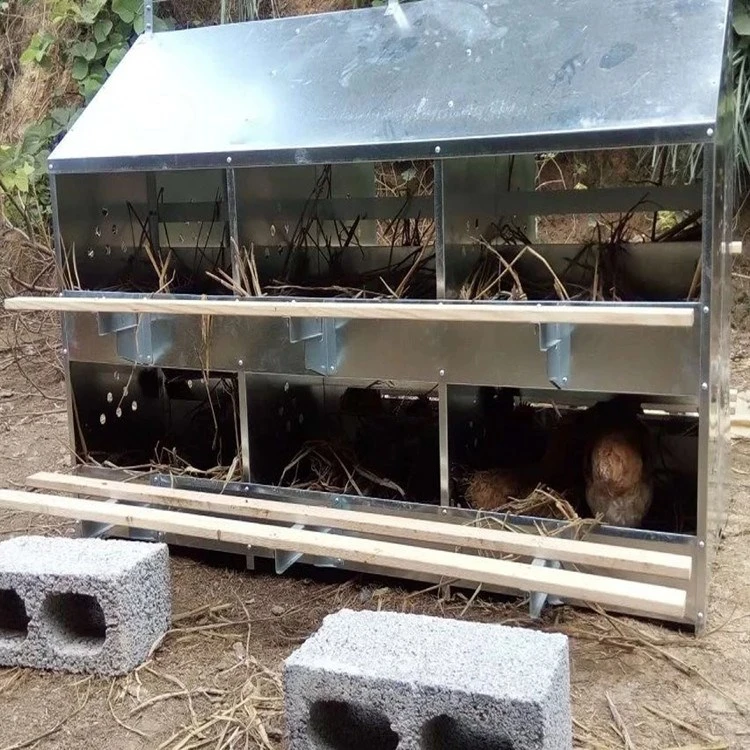
In addition to our nest boxes, we also offer Breeder Chain Feeding Lines that can help to keep the feeding area clean, reducing the amount of feed spillage and waste that can end up in the nest boxes.
Conclusion
In conclusion, regular cleaning of breeder nest boxes is essential for maintaining high - quality eggs, promoting hen health, and ensuring the overall efficiency of a breeding operation. While there are challenges associated with cleaning, such as frequency, labor, and cost, the benefits far outweigh the drawbacks. By following best practices for cleaning and using our high - quality products, poultry farmers can create a clean and comfortable nesting environment for their hens.
If you're interested in learning more about our Breeder Nest Boxes or other products, or if you have any questions regarding nest box cleaning, please feel free to contact us. We're here to help you optimize your breeding operation and achieve the best possible results.
References
- Poultry Science journal, various studies on egg quality and nest box cleanliness.
- Research papers on hen health and welfare in relation to nesting environment.