

As a seasoned silo supplier, I've had the privilege of exploring the diverse world of silo doors. These seemingly simple components play a crucial role in the functionality, safety, and efficiency of silos. In this blog, I'll delve into the different types of silo doors available in the market, their unique features, and the applications they are best suited for.
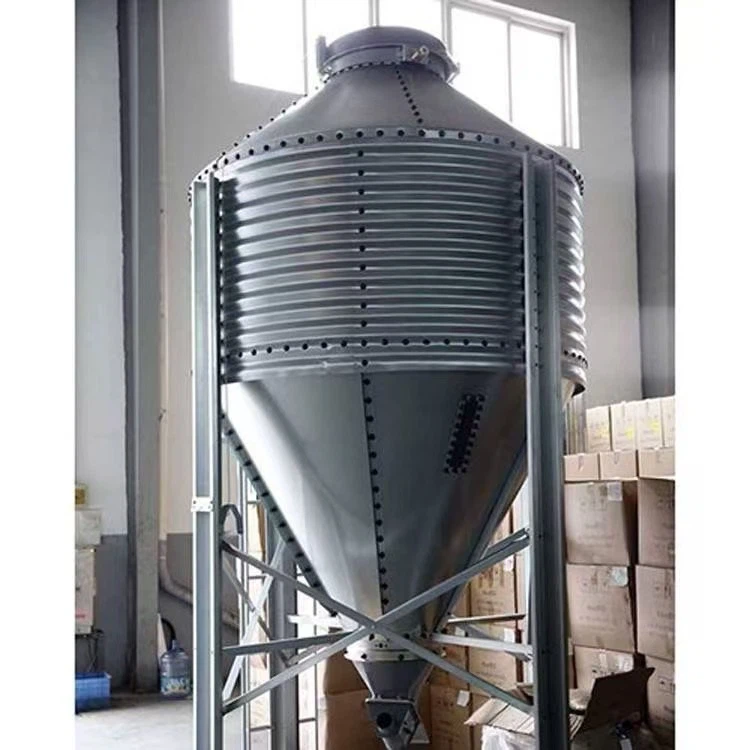
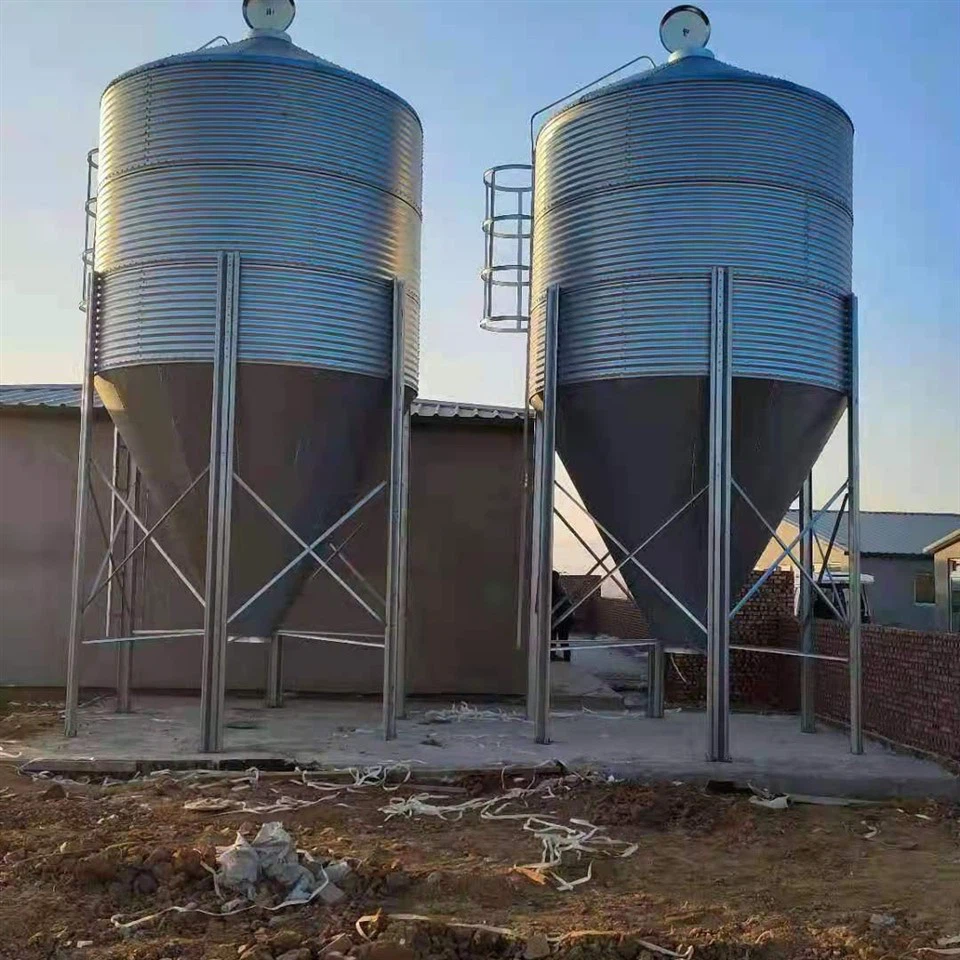
Gravity - Operated Silo Doors
Gravity - operated silo doors are one of the most basic and widely used types. The principle behind these doors is straightforward: they rely on the force of gravity to open and close. When the contents of the silo exert pressure on the door, it opens, allowing the material to flow out. Once the flow stops, the door can be manually or automatically closed.
These doors are highly cost - effective, making them a popular choice for small - scale operations. They are also relatively simple to install and maintain. For instance, in a small farm using 3 - 10T Small Silos to store animal feed, gravity - operated doors can efficiently dispense the feed as needed. However, their reliance on gravity means that they may not be suitable for materials with poor flow characteristics or in situations where precise control of the flow rate is required.
Slide - Type Silo Doors
Slide - type silo doors work by sliding horizontally or vertically to open or close the silo opening. They are often made of durable materials such as steel or high - density plastic. One of the main advantages of slide - type doors is their ability to provide a tight seal when closed, which is essential for preventing moisture ingress and keeping the stored materials fresh.
In Moisture - proof Silos, slide - type doors are an ideal choice. They can be easily operated manually or with the help of a motorized system for larger silos. The smooth sliding action also allows for quick opening and closing, which can be beneficial in emergency situations or when rapid material transfer is required. However, slide - type doors may require more space for installation compared to other types, and they need to be regularly maintained to ensure smooth operation.
Swing - Type Silo Doors
Swing - type silo doors are hinged on one side and swing open like a traditional door. They can be opened either inward or outward, depending on the design and the requirements of the silo. Swing - type doors offer a large opening area, which is useful for materials that need to be discharged quickly or for cleaning and maintenance purposes.
These doors are commonly used in industrial silos where large volumes of materials need to be handled. The swinging motion allows for easy access to the interior of the silo, making it convenient for workers to perform inspections or repairs. However, swing - type doors may be more prone to wear and tear at the hinges, and they require sufficient clearance around the silo to open fully.
Butterfly Silo Doors
Butterfly silo doors consist of two semicircular flaps that pivot in the middle, resembling the wings of a butterfly. When opened, these flaps rotate to allow the material to flow out, and when closed, they form a tight seal. Butterfly doors are known for their precise flow control capabilities.
In Smart Metering Silos, butterfly doors are often used to accurately measure and dispense the stored materials. They can be controlled electronically, allowing for remote operation and integration with automated systems. This type of door is also relatively compact, making it suitable for silos with limited space. However, the complex design of butterfly doors may make them more expensive and require more technical expertise for installation and maintenance.
Diaphragm Silo Doors
Diaphragm silo doors are made of a flexible diaphragm material that expands or contracts to open and close the silo opening. These doors are particularly useful for handling fine - grained or powdery materials. The flexible diaphragm can conform to the shape of the silo opening, providing a tight seal and preventing material leakage.
Diaphragm doors are often used in the food and pharmaceutical industries, where maintaining the purity and quality of the stored materials is of utmost importance. They can be operated pneumatically or hydraulically, offering precise control over the opening and closing process. However, the diaphragm material may degrade over time, especially when exposed to harsh chemicals or extreme temperatures, and may need to be replaced periodically.
Factors to Consider When Choosing Silo Doors
When selecting the appropriate type of silo door for your application, several factors need to be taken into account.
Material Characteristics
The nature of the material stored in the silo is a crucial factor. For materials with good flow characteristics, gravity - operated or swing - type doors may be sufficient. However, for materials that are sticky, powdery, or prone to bridging, slide - type, butterfly, or diaphragm doors may be more suitable as they can provide better flow control and prevent blockages.
Flow Rate Requirements
If you need to dispense the stored materials at a high rate, swing - type or slide - type doors with large opening areas may be the best choice. On the other hand, if precise control of the flow rate is required, butterfly or diaphragm doors are more appropriate.
Environmental Conditions
The environment in which the silo is located also matters. In humid or corrosive environments, materials such as stainless steel or plastic - coated steel should be used for the doors to prevent rust and corrosion. For outdoor silos, the doors should be able to withstand extreme weather conditions.
Safety and Maintenance
Safety is always a top priority. The doors should be designed with safety features such as locks and guards to prevent accidental opening. Additionally, ease of maintenance is important. Doors that are easy to access and clean will reduce downtime and maintenance costs.
Conclusion
In conclusion, there are several types of silo doors available, each with its own unique features and advantages. As a silo supplier, I understand the importance of choosing the right door for your specific needs. Whether you are looking for a cost - effective solution for a small - scale operation or a high - tech door for an industrial silo, there is a suitable option out there.
If you are in the process of purchasing a silo or need to replace your existing silo doors, I encourage you to reach out to me. I can provide you with professional advice and help you select the most appropriate type of silo door for your application. Let's work together to ensure the efficient and safe operation of your silo system.
References
- "Silo Design and Operation Handbook", Industry Press, 20XX
- "Materials Handling in Silos", Academic Publishing, 20XX