

Hey there! As a supplier of Mixing-equipped Silos, I've seen firsthand how crucial it is to get the installation height right. In this blog, I'm gonna share some tips on how to ensure the correct installation height of a mixing-equipped silo.
Why the Right Installation Height Matters
First off, let's talk about why the installation height is such a big deal. The height of your silo can affect everything from the efficiency of the mixing process to the safety of your operations. If the silo is too low, you might have issues with proper discharge of materials. On the other hand, if it's too high, it could pose stability risks and make maintenance a real pain in the neck.

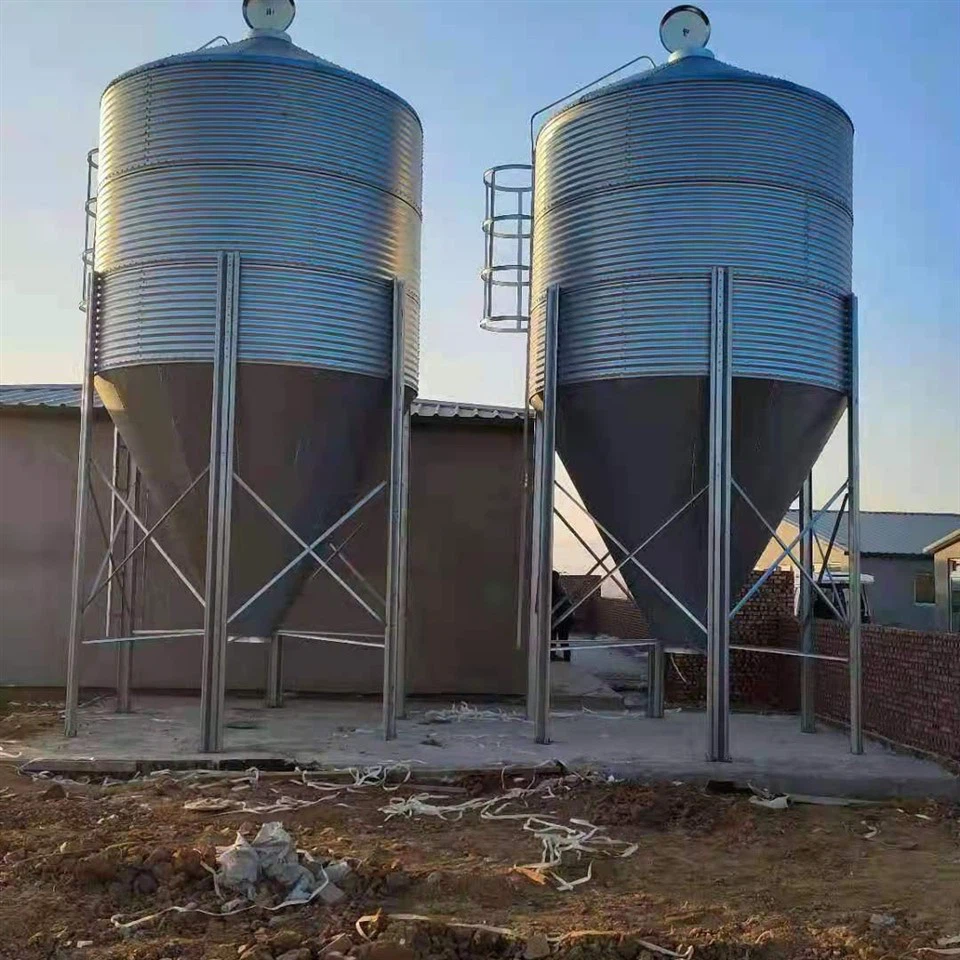
A well-placed silo at the correct height ensures that materials flow smoothly in and out of the silo. This is super important for maintaining the quality of the mixed products. For example, if the discharge is not proper due to a wrong height, you might end up with uneven mixing, which can lead to sub - standard products.
Factors to Consider When Determining Installation Height
1. Type of Materials
The type of materials you're storing and mixing in the silo plays a huge role in deciding the installation height. Different materials have different flow characteristics. For instance, fine powders like cement or flour tend to flow more slowly compared to granular materials like grains. If you're dealing with slow - flowing materials, you might need a higher silo to allow for better gravity - assisted flow. This way, the materials can move down the silo and into the mixing chamber more easily.
2. Mixing Equipment
The mixing equipment inside the silo also affects the height. Some mixing systems require a certain amount of space above the material level to operate effectively. For example, if you have a powerful agitator that needs to rotate freely without hitting the top of the silo, you'll need to factor in the clearance required for its operation. This means you might have to install the silo at a height that provides enough room for the mixing equipment to work its magic.
3. Discharge System
The discharge system is another key factor. There are different types of discharge systems, such as gravity - based, pneumatic, or screw - based systems. Gravity - based discharge systems rely on the height of the silo to create enough pressure for the materials to flow out. So, if you're using a gravity - based system, you'll need to install the silo at a height that allows for a smooth and continuous discharge. Pneumatic and screw - based systems might be more flexible in terms of height requirements, but they still need to be installed in a way that doesn't cause blockages or inefficiencies.
4. Site Constraints
You can't ignore the physical constraints of the installation site. The available space, the height of nearby structures, and the ground conditions all matter. If you're installing the silo in a building with a low ceiling, you obviously can't go for a very tall silo. Similarly, if the ground is uneven or has poor load - bearing capacity, you might need to adjust the height or the foundation design of the silo.
Steps to Ensure Correct Installation Height
1. Site Assessment
Before you even think about installing the silo, conduct a thorough site assessment. Measure the available space, check the ground conditions, and note the height of any nearby structures. This will give you a clear idea of the height limitations and possibilities at the site. You can also use this opportunity to identify any potential obstacles that might affect the installation or the operation of the silo.
2. Consult with Experts
Don't be afraid to reach out to experts in the field. Structural engineers, silo manufacturers, and experienced installers can provide valuable insights. They've dealt with similar projects before and can help you determine the optimal height based on the factors we discussed earlier. They can also help you with the design and installation process to ensure everything goes smoothly.
3. Use Proper Installation Techniques
Once you've determined the right height, it's crucial to use proper installation techniques. Make sure the foundation is level and strong enough to support the weight of the silo and its contents. Use accurate measuring tools to ensure the silo is installed at the correct height. This might involve using laser levels or other precision measuring devices.
4. Test and Adjust
After the installation, conduct tests to make sure the silo is working as expected. Check the flow of materials, the operation of the mixing equipment, and the discharge system. If you notice any issues, don't hesitate to make adjustments. It's better to fix any problems early on rather than waiting until they cause major headaches down the line.
Our Range of Mixing - equipped Silos
As a supplier, we offer a wide range of Mixing - equipped Silos to meet different needs. Whether you're looking for Moisture - proof Silos to keep your materials dry, Smart Metering Silos for accurate monitoring, or 80 - 100T Storage Silos for large - scale operations, we've got you covered. Our silos are designed with the latest technology and high - quality materials to ensure reliable performance and long - term durability.
Conclusion
Ensuring the correct installation height of a mixing - equipped silo is not a one - size - fits - all process. It requires careful consideration of various factors, including the type of materials, mixing equipment, discharge system, and site constraints. By following the steps I've outlined in this blog, you can increase the chances of a successful installation and a well - functioning silo.
If you're in the market for a Mixing - equipped Silo and need help with installation height or any other aspect, don't hesitate to reach out. We're here to assist you every step of the way. Whether you're a small - scale business or a large industrial operation, we can provide the right solution for your needs. Contact us today to start the conversation about your silo requirements and let's work together to ensure your project is a success.
References
- "Silo Design and Installation Guide" by Silo Industry Association
- "Materials Handling in Silos" by John Smith, 2020
- "Advanced Mixing Technologies for Silos" by Jane Doe, 2021