

Hey there! As a supplier of Screw Conveyors, I've seen my fair share of issues with drive units in screw conveyors. Troubleshooting these problems can be a real headache, but don't worry, I'm here to walk you through it step by step.
Understanding the Basics of a Screw Conveyor Drive Unit
Before we dive into troubleshooting, let's quickly go over what a drive unit in a screw conveyor does. The drive unit is the heart of the conveyor, providing the power to rotate the screw shaft and move the material along. It typically consists of a motor, a gearbox, and a coupling. The motor generates the power, the gearbox reduces the speed and increases the torque, and the coupling connects the motor to the screw shaft.
Common Problems and Their Solutions
1. Motor Not Starting
One of the most common issues is when the motor fails to start. This can be caused by several factors:
- Power Supply Issues: Check if the power switch is turned on and if there's power reaching the motor. You can use a multimeter to test the voltage at the motor terminals. If there's no power, check the circuit breaker or fuse. Sometimes, a tripped breaker or a blown fuse can be the culprit.
- Motor Overload: If the motor has been overloaded, it might have a thermal overload protection that has tripped. Let the motor cool down for a while and then reset the overload protection. If the problem persists, it could be due to excessive material in the conveyor or a mechanical jam.
- Faulty Motor Windings: A short circuit or an open circuit in the motor windings can prevent the motor from starting. You can use a megger to test the insulation resistance of the motor windings. If the resistance is too low, it indicates a problem with the windings, and the motor might need to be replaced.
2. Excessive Noise or Vibration
If you notice excessive noise or vibration coming from the drive unit, it could be a sign of a problem:
- Misalignment: Check if the motor, gearbox, and coupling are properly aligned. Misalignment can cause uneven wear on the components and lead to excessive noise and vibration. You can use alignment tools to ensure that the shafts are perfectly aligned.
- Worn Bearings: The bearings in the motor, gearbox, or coupling can wear out over time. Listen for a grinding or squealing noise, which could indicate worn bearings. Replace the bearings as soon as possible to prevent further damage.
- Loose Components: Check if all the bolts and nuts are tightened properly. Loose components can cause rattling and vibration. Tighten any loose fasteners to eliminate the noise.
3. Gearbox Problems
The gearbox is an important part of the drive unit, and problems with it can affect the performance of the conveyor:
- Low Oil Level: Check the oil level in the gearbox. Low oil level can cause overheating and excessive wear on the gears. If the oil level is low, add the recommended type of oil to the appropriate level.
- Contaminated Oil: Over time, the oil in the gearbox can become contaminated with dirt, metal particles, or water. This can cause damage to the gears and bearings. Drain the old oil and replace it with fresh oil. You might also need to clean the gearbox if the contamination is severe.
- Worn Gears: If you hear a whining or grinding noise coming from the gearbox, it could be a sign of worn gears. Inspect the gears for signs of wear, such as pitting or chipping. Replace the worn gears to restore the performance of the gearbox.
4. Coupling Issues
The coupling connects the motor to the screw shaft, and problems with it can disrupt the power transmission:
- Worn Coupling Elements: The coupling elements can wear out over time, especially if the conveyor is subjected to frequent starts and stops. Check the coupling elements for signs of wear, such as cracks or excessive play. Replace the worn elements to ensure proper power transmission.
- Loose Coupling Bolts: Loose coupling bolts can cause the coupling to slip, resulting in a loss of power. Check the coupling bolts and tighten them if necessary.
Regular Maintenance is Key
To prevent problems with the drive unit, regular maintenance is essential. Here are some maintenance tips:
- Lubrication: Keep all the moving parts properly lubricated. Follow the manufacturer's recommendations for the type and frequency of lubrication.
- Inspection: Regularly inspect the drive unit for signs of wear, damage, or misalignment. Early detection of problems can prevent costly repairs and downtime.
- Cleaning: Keep the drive unit clean to prevent the accumulation of dirt and debris. This can help extend the life of the components.
Automated Control Systems and Anti - blocking Dischargers
In addition to troubleshooting the drive unit, you might also want to consider using Automated Control Systems and Anti - blocking Dischargers to improve the performance and reliability of your screw conveyor.

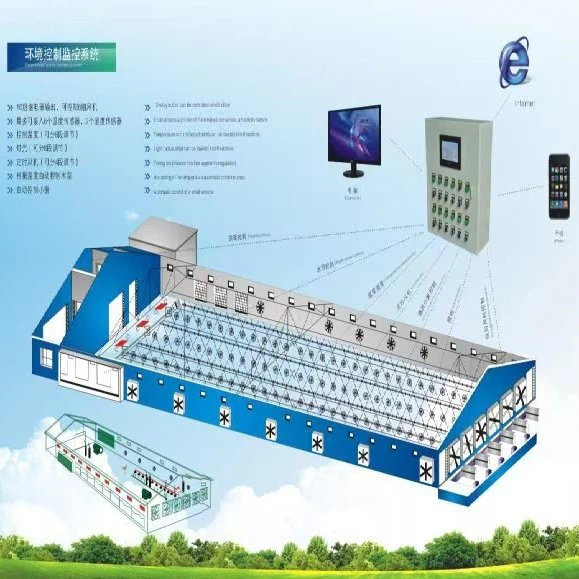
Automated control systems can help you monitor and control the operation of the conveyor more efficiently. They can adjust the speed of the drive unit based on the material flow, preventing overloading and reducing energy consumption.
Anti - blocking dischargers can prevent material blockages in the conveyor, which can put additional stress on the drive unit. By keeping the material flowing smoothly, these dischargers can help extend the life of the drive unit and other components.
Conclusion
Troubleshooting the drive unit of a screw conveyor can be a challenging task, but with the right knowledge and tools, you can identify and fix most problems. Remember to perform regular maintenance to prevent issues from occurring in the first place. If you're still having trouble or if you need further assistance, don't hesitate to reach out to us. We're here to help you keep your screw conveyor running smoothly.
Whether you're looking to purchase a new screw conveyor or need parts and support for your existing one, we're your go - to supplier. Contact us today to discuss your requirements and let's start a great business relationship!
References
- "Screw Conveyor Handbook" - A comprehensive guide on screw conveyors and their components.
- Manufacturer's manuals for the motor, gearbox, and coupling used in the drive unit.