

A silo chute is an integral component in many industrial and agricultural settings, particularly when it comes to the efficient handling and transportation of bulk materials stored in silos. As a reputable silo supplier, I am well - versed in the intricacies of silo chutes and their importance in the overall functionality of silo systems.
Understanding the Basics of a Silo Chute
A silo chute is essentially a channel or trough that is designed to guide the flow of materials from a silo to another location, such as a conveyor belt, a truck, or a processing unit. It is typically made of durable materials like steel or reinforced plastic, which can withstand the abrasive nature of the materials being transported. The shape and size of a silo chute can vary depending on the type of material, the volume of flow, and the specific requirements of the operation.
For instance, if the material is fine - grained and free - flowing, a relatively simple, straight chute might be sufficient. On the other hand, if the material is sticky or has a high moisture content, a more complex chute design with anti - clogging features may be necessary. The angle of the chute is also a critical factor. It needs to be steep enough to allow the material to flow freely under the force of gravity but not so steep that it causes excessive wear on the chute walls or creates a dangerous situation for workers.
The Role of Silo Chutes in Silo Systems
In a silo system, the chute serves as the link between the storage area and the next stage of the process. When the stored material needs to be transferred, the chute provides a controlled path for it to follow. This is crucial for maintaining the integrity of the material and ensuring that the transfer process is efficient.
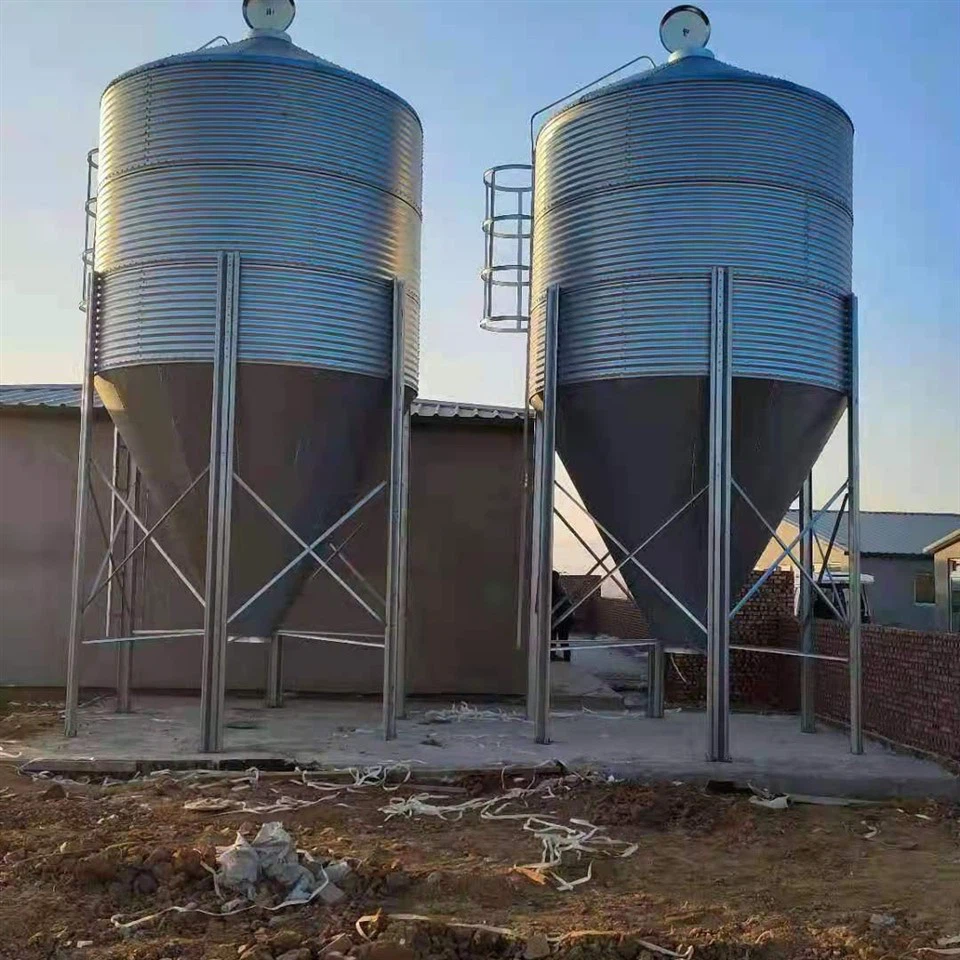

Let's take the example of a grain silo. Grains are often stored in large quantities in silos. When it's time to transport the grains to a mill or a shipping facility, the silo chute allows the grains to flow smoothly from the bottom of the silo onto a conveyor belt. This not only saves time but also reduces the risk of spillage and contamination.
In addition, silo chutes can be designed to regulate the flow rate of the material. By adjusting the width and shape of the chute opening, operators can control how much material is released at a given time. This is particularly important in industries where precise measurements are required, such as in the production of animal feed or the manufacturing of chemicals.
Types of Silo Chutes
There are several types of silo chutes available, each with its own unique features and applications.
Gravity Chutes
Gravity chutes are the most common type. They rely on the force of gravity to move the material from the silo to the destination. These chutes are simple in design and relatively inexpensive to install. They are suitable for free - flowing materials like grains, seeds, and some types of powders. However, they may not be suitable for materials that are prone to clogging or have a high viscosity.
Pneumatic Chutes
Pneumatic chutes use air pressure to move the material. They are often used for materials that are difficult to handle with gravity chutes, such as fine powders or materials that need to be transported over long distances. Pneumatic chutes can provide a more controlled and efficient transfer of materials, but they require additional equipment such as air compressors and filters, which can increase the cost of installation and operation.
Vibratory Chutes
Vibratory chutes are equipped with vibrating mechanisms that help to prevent the material from sticking to the chute walls and ensure a continuous flow. They are ideal for materials that tend to bridge or arch in the chute, such as wet or sticky materials. The vibrations break up the material and allow it to flow more freely.
Our Silo Offerings and the Importance of Chutes
As a silo supplier, we offer a wide range of silos to meet the diverse needs of our customers. Our 80 - 100T Storage Silos are designed for large - scale storage requirements. These silos are equipped with high - quality chutes that are engineered to handle the large volume of material efficiently. The chutes are made of heavy - duty steel to ensure durability and long - term performance.
Our Moisture - proof Silos are another popular option. These silos are designed to protect the stored material from moisture, which can cause spoilage and degradation. The chutes in these silos are designed with special coatings and seals to prevent moisture from entering during the transfer process.
For customers with medium - scale storage needs, our 15 - 33T Medium Silos are a great choice. The chutes in these silos are optimized for the volume of material they are expected to handle, providing a smooth and efficient transfer.
Maintenance and Safety Considerations
Proper maintenance of silo chutes is essential to ensure their optimal performance and longevity. Regular inspections should be carried out to check for signs of wear, corrosion, or clogging. Any damaged parts should be replaced immediately to prevent further damage and ensure the safety of the operation.
Safety is also a top priority when it comes to silo chutes. Workers should be trained on how to operate the chute system safely, including how to prevent clogging and how to handle any potential hazards. The chute area should be well - lit and free of obstructions to avoid accidents.
Conclusion
In conclusion, a silo chute is a vital component of any silo system. It plays a crucial role in the efficient handling and transportation of bulk materials, ensuring that the transfer process is smooth, controlled, and safe. As a silo supplier, we understand the importance of providing high - quality chutes that are tailored to the specific needs of our customers.
If you are in the market for a silo or need to upgrade your existing silo system, we invite you to contact us for a detailed discussion. Our team of experts can help you choose the right silo and chute combination for your requirements. Whether you need a large - scale storage silo or a medium - sized one, we have the solutions to meet your needs.
References
- "Bulk Material Handling Handbook" by George Klinzing, et al.
- "Silo Design and Construction Standards" published by relevant industry associations.