

Hey there! As a silo supplier, I often get asked about different components of silos, and one that comes up quite a bit is the silo temperature sensor. So, let's dive right in and talk about what a silo temperature sensor is, why it's important, and how it fits into the world of silo storage.

What Exactly is a Silo Temperature Sensor?
A silo temperature sensor is a device designed to measure the temperature inside a silo. It's a crucial tool for anyone storing materials in a silo, whether it's grains, feed, cement, or other bulk solids. These sensors are usually placed at various depths and locations within the silo to get an accurate picture of the temperature distribution.
Think of it like having a thermometer for your silo. Just as you'd use a thermometer to check your body temperature when you're feeling under the weather, a silo temperature sensor helps you keep an eye on the health of the materials stored inside the silo.
How Does it Work?
Most silo temperature sensors work based on the principle of electrical resistance. They contain a sensing element, often made of a material whose electrical resistance changes with temperature. As the temperature inside the silo goes up or down, the resistance of the sensing element changes, and this change is converted into a temperature reading.
These sensors are connected to a monitoring system, which can be a simple display unit or a more sophisticated computerized system. The monitoring system collects the temperature data from the sensors and presents it in an easy - to - read format. Some advanced systems can even send alerts if the temperature goes outside of a pre - set range.
Why is it Important?
Preventing Spoilage
One of the main reasons why a silo temperature sensor is so important is to prevent spoilage of the stored materials. For example, when storing grains, high temperatures can promote the growth of mold and bacteria. These microorganisms can quickly ruin the quality of the grains, making them unfit for consumption or sale. By monitoring the temperature, you can detect early signs of overheating and take corrective action, such as aerating the silo to cool it down.
Ensuring Safety
In some cases, high temperatures inside a silo can also pose a safety risk. For instance, if the temperature rises too high, there's a risk of spontaneous combustion, especially when storing materials like coal or certain types of chemicals. A silo temperature sensor helps you identify potential fire hazards before they become a serious problem.
Quality Control
Maintaining the right temperature is essential for quality control. Different materials have different optimal storage temperatures, and by using a temperature sensor, you can ensure that the materials are stored under the best possible conditions. This helps to preserve the quality of the products and maintain their value.
Types of Silo Temperature Sensors
Resistance Temperature Detectors (RTDs)
RTDs are one of the most common types of silo temperature sensors. They offer high accuracy and stability, making them suitable for applications where precise temperature measurement is required. RTDs are made of a metal, usually platinum, whose resistance changes linearly with temperature.
Thermocouples
Thermocouples are another popular option. They work based on the Seebeck effect, which means they generate a small voltage when there's a temperature difference between two different metals. Thermocouples are rugged and can withstand harsh environments, but they are generally less accurate than RTDs.
Infrared Sensors
Infrared sensors measure temperature without making physical contact with the object. They detect the infrared radiation emitted by the materials inside the silo and convert it into a temperature reading. These sensors are useful for non - invasive temperature measurement, but they may be affected by factors like dust and moisture in the silo.
Our Silo Offerings
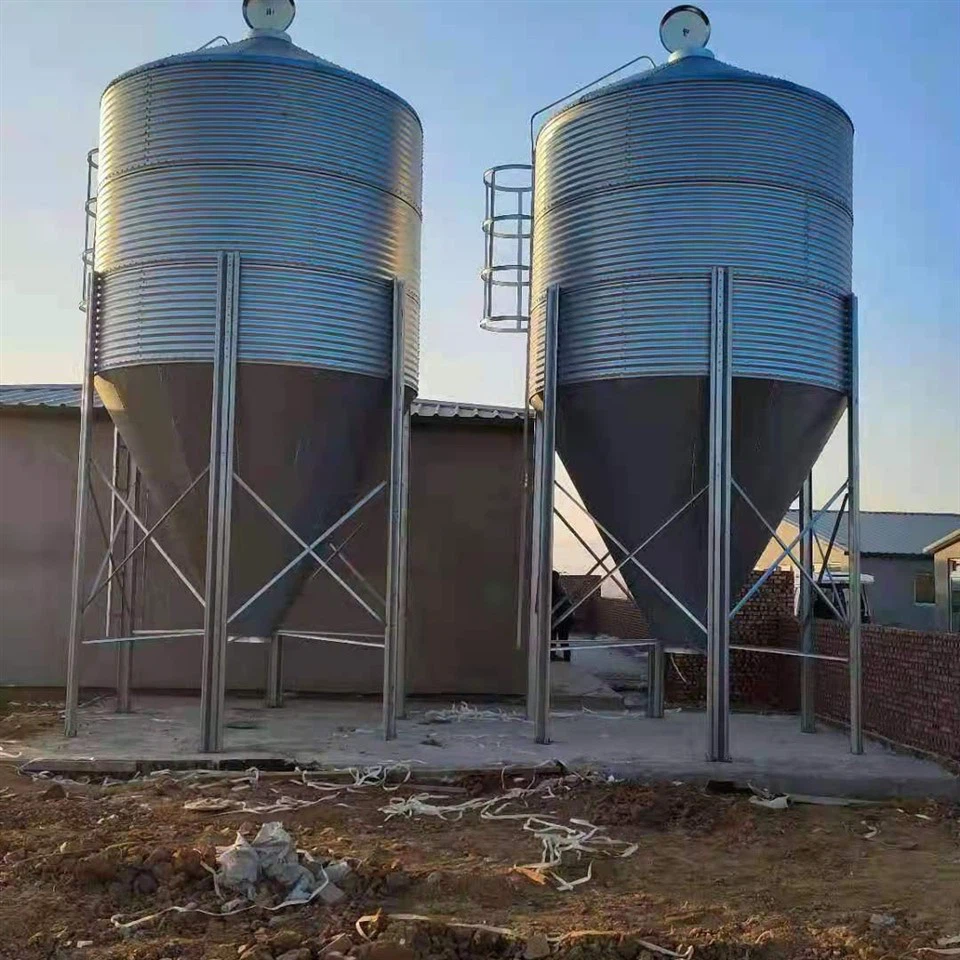
As a silo supplier, we offer a range of silos to meet different storage needs. If you're looking for a medium - sized storage solution, our 200 - 400T Steel Bins are a great option. They are made of high - quality steel, which provides durability and strength.
For those with smaller storage requirements, our 40 - 60T Large Silos are a cost - effective choice. These silos are designed to be easy to install and maintain.
And if you're worried about moisture damage, our Moisture - proof Silos are the way to go. They are equipped with special features to keep the stored materials dry and protected.
Choosing the Right Silo Temperature Sensor
When choosing a silo temperature sensor, there are several factors to consider.
Accuracy
The accuracy of the sensor is crucial, especially if you're dealing with materials that are sensitive to temperature changes. Make sure to choose a sensor with an accuracy that meets your requirements.
Durability
Silos can be harsh environments, with dust, moisture, and mechanical vibrations. You need a sensor that can withstand these conditions and continue to function reliably over time.
Compatibility
The sensor should be compatible with your existing monitoring system. If you're using a new monitoring system, make sure it can support the type of sensors you choose.
Installation and Maintenance
Installing a silo temperature sensor requires some technical knowledge. It's important to place the sensors at the right locations inside the silo to get accurate readings. Usually, sensors are installed at different depths and near the walls and center of the silo.
Maintenance of the sensors is also important. You should regularly check the sensors for any signs of damage or malfunction. Clean the sensors if they get dirty, and replace them if they stop working properly.
Conclusion
In conclusion, a silo temperature sensor is an essential tool for anyone involved in silo storage. It helps to prevent spoilage, ensure safety, and maintain the quality of the stored materials. As a silo supplier, we understand the importance of having reliable temperature sensors, and we can help you choose the right one for your silo.
If you're interested in our silos or need more information about silo temperature sensors, don't hesitate to reach out. We're here to help you make the best decisions for your storage needs. Whether you're a farmer looking to store grains or a manufacturer storing bulk materials, we've got the solutions for you. Let's start a conversation about how we can work together to meet your silo requirements.
References
- "Grain Storage Handbook" - A comprehensive guide on grain storage and related technologies.
- "Industrial Temperature Measurement" - A technical book that covers different types of temperature sensors and their applications.