

A silo unloader is a crucial piece of equipment in the agricultural, industrial, and food processing sectors, designed to efficiently remove bulk materials from silos. As a leading silo supplier, I've witnessed firsthand the transformative impact these devices have on storage and material handling operations. In this blog, I'll delve into what a silo unloader is, how it works, its types, and why it's an essential investment for businesses dealing with bulk materials.

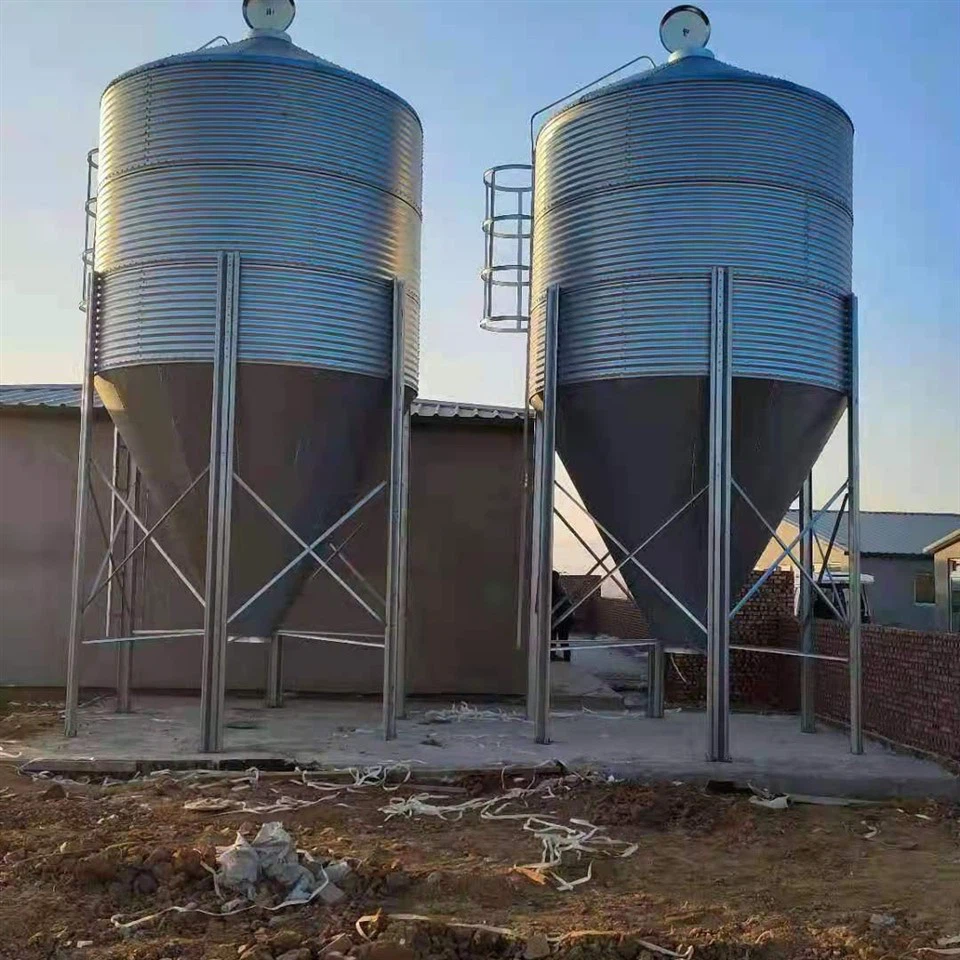
What is a Silo Unloader?
A silo unloader is a mechanical device engineered to empty silos filled with various bulk materials such as grains, cement, flour, and other granular substances. Silos are large storage structures that can hold significant quantities of these materials for extended periods. However, removing the stored material efficiently and safely can be a challenging task, which is where silo unloaders come in. They automate the process of emptying the silo, reducing manual labor, minimizing the risk of accidents, and ensuring a consistent flow of material.
How Does a Silo Unloader Work?
The basic principle behind a silo unloader involves creating a flow of material from the silo to a discharge point. This is typically achieved through a combination of mechanical and pneumatic systems.
Mechanical silo unloaders use rotating augers or conveyors to move the material from the bottom of the silo towards the discharge opening. The auger, a helical screw-like device, rotates within a tube or trough, pushing the material along as it turns. This method is effective for materials that are free-flowing and do not require a high level of agitation.
Pneumatic silo unloaders, on the other hand, use air pressure to move the material. Compressed air is introduced into the silo, fluidizing the material and creating a dense-phase or dilute-phase flow. The material is then transported through a pipeline to the discharge point. Pneumatic systems are suitable for materials that are fine, powdery, or prone to bridging or ratholing.
Types of Silo Unloaders
There are several types of silo unloaders available, each designed to meet specific requirements and handle different types of materials.
- Bottom Unloaders: These are the most common type of silo unloaders. They are installed at the bottom of the silo and work by removing the material from the bottom up. Bottom unloaders can be either mechanical or pneumatic and are suitable for a wide range of materials.
- Top Unloaders: Top unloaders are installed at the top of the silo and use a combination of gravity and mechanical or pneumatic systems to remove the material. They are typically used for silos that are difficult to access from the bottom or for materials that require a gentle handling process.
- Side Unloaders: Side unloaders are installed on the side of the silo and are used to remove the material from the side. They are often used in conjunction with bottom unloaders to ensure a complete and efficient emptying of the silo.
Benefits of Using a Silo Unloader
Investing in a silo unloader offers several benefits for businesses dealing with bulk materials.
- Increased Efficiency: Silo unloaders automate the process of emptying the silo, reducing the time and labor required. This allows businesses to increase their productivity and throughput, leading to significant cost savings.
- Improved Safety: Manual silo unloading can be a dangerous task, as it involves working in confined spaces and handling heavy materials. Silo unloaders eliminate the need for manual labor, reducing the risk of accidents and injuries.
- Consistent Material Flow: Silo unloaders ensure a consistent flow of material, preventing bridging, ratholing, and other flow problems. This helps to maintain the quality of the material and ensures a smooth operation.
- Versatility: Silo unloaders can be customized to meet the specific requirements of different materials and applications. They can be used with a variety of silo types, including Moisture-proof Silos, Mixing-equipped Silos, and 80 - 100T Storage Silos.
Choosing the Right Silo Unloader
When choosing a silo unloader, it's important to consider several factors, including the type of material, the size and shape of the silo, the desired flow rate, and the available budget.
- Material Characteristics: Different materials have different flow properties, which can affect the performance of the silo unloader. For example, free-flowing materials such as grains can be easily handled by mechanical unloaders, while fine, powdery materials may require a pneumatic system.
- Silo Size and Shape: The size and shape of the silo can also influence the choice of silo unloader. Larger silos may require a more powerful unloader, while silos with irregular shapes may need a custom-designed system.
- Flow Rate: The desired flow rate is an important consideration, as it determines the capacity of the silo unloader. It's important to choose an unloader that can meet the required flow rate without causing any blockages or flow problems.
- Budget: The cost of the silo unloader is another important factor to consider. It's important to balance the initial investment with the long-term benefits and cost savings.
Conclusion
A silo unloader is an essential piece of equipment for businesses dealing with bulk materials. It offers several benefits, including increased efficiency, improved safety, consistent material flow, and versatility. When choosing a silo unloader, it's important to consider the type of material, the size and shape of the silo, the desired flow rate, and the available budget.
As a silo supplier, we offer a wide range of silo unloaders to meet the specific needs of our customers. Our team of experts can help you choose the right unloader for your application and provide you with the support and service you need to ensure a successful installation and operation.
If you're interested in learning more about our silo unloaders or other silo products, please don't hesitate to contact us. We'd be happy to discuss your requirements and provide you with a customized solution.
References
- "Bulk Material Handling Handbook" by Perry's Chemical Engineers' Handbook
- "Silo Design and Operation" by the Bin and Silo Association