

What Is the Cost of a Mixing - equipped Silo?
As a supplier of mixing - equipped silos, I often get asked about the cost of these specialized storage solutions. Understanding the cost factors is crucial for businesses looking to invest in a mixing - equipped silo for their operations, whether it's for the agricultural, food processing, or chemical industries.
Factors Affecting the Cost of a Mixing - equipped Silo
1. Size and Capacity
One of the most significant factors influencing the cost is the size and capacity of the silo. Larger silos with higher capacities generally cost more. For example, a small - scale mixing - equipped silo with a capacity of 10 - 20 tons will have a lower price compared to 40 - 60T Large Silos. The larger silos require more materials for construction, such as steel or concrete, and more complex engineering to ensure structural integrity. Additionally, the mixing equipment inside a larger silo may need to be more powerful and sophisticated to handle the increased volume of materials.
2. Mixing Technology
The type of mixing technology used in the silo also plays a major role in determining the cost. Basic mixing systems that use simple paddle or ribbon mixers are relatively inexpensive. These systems are suitable for applications where a less precise and uniform mixing is acceptable. However, for industries that require high - precision mixing, such as the pharmaceutical or high - end food processing industries, more advanced mixing technologies are needed. For instance, fluidized bed mixing systems or high - shear mixers can provide a more thorough and consistent blend but come with a higher price tag due to their complex design and advanced engineering.
3. Material of Construction
The material used to build the silo significantly impacts its cost. Steel is a popular choice for many silos due to its durability, strength, and relatively low cost compared to some other materials. It can be easily fabricated and customized to meet specific requirements. However, stainless steel is often used in applications where corrosion resistance is crucial, such as in the food or chemical industries. Stainless steel silos are more expensive than regular steel silos because of the higher cost of the material and the additional processing required to ensure its quality. Concrete silos, on the other hand, are known for their long - term durability and can be a good option for large - scale storage. But the construction process of concrete silos is more labor - intensive and time - consuming, which also adds to the overall cost.
4. Additional Features
Extra features and accessories can also increase the cost of a mixing - equipped silo. For example, Smart Metering Silos are equipped with sensors that can measure the level, temperature, and moisture content of the materials inside the silo. These smart features provide real - time data, which helps in better inventory management and quality control. However, the installation of such sensors and the associated monitoring systems adds to the cost. Another additional feature could be Moisture - proof Silos, which are designed to prevent moisture from entering the silo and spoiling the stored materials. The special coatings and seals used in moisture - proof silos increase their price compared to standard silos.
Cost Breakdown Examples
Let's look at some cost breakdown examples to give you a better idea of what to expect.
A small - sized (10 - 20 tons) mixing - equipped silo with a basic paddle mixer made of regular steel and without any additional smart features may cost anywhere from $5,000 to $10,000. This type of silo is suitable for small - scale farms or start - up food processing businesses with limited budgets.
A medium - sized (30 - 40 tons) silo with a more advanced ribbon mixer and made of stainless steel, along with moisture - proof features, could cost between $20,000 and $35,000. This silo would be a good choice for medium - sized food processing or agricultural enterprises that require more precise mixing and better protection for their stored materials.
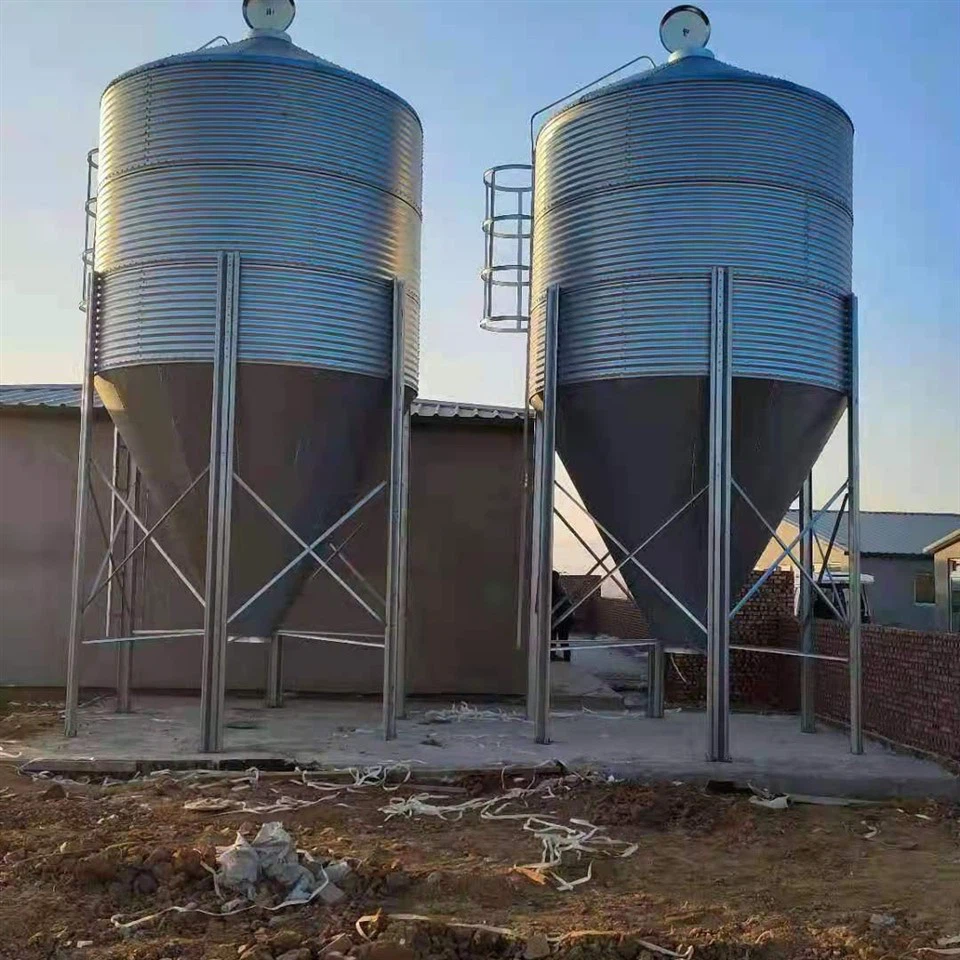

For a large - scale (40 - 60 tons) 40 - 60T Large Silos with a high - shear mixer, smart metering sensors, and made of high - quality stainless steel, the cost can range from $50,000 to $100,000 or more. These large - capacity silos are typically used by large agricultural cooperatives, major food manufacturers, or chemical companies.
Return on Investment (ROI)
When considering the cost of a mixing - equipped silo, it's important to also think about the return on investment. A well - designed and properly functioning silo can bring several benefits that can offset the initial cost.
Firstly, the improved mixing quality can lead to better - quality products. In the agricultural industry, for example, a more uniform blend of feed ingredients can result in healthier livestock and better growth rates. In the food processing industry, consistent mixing can ensure the same taste and texture in every batch of products, which can enhance customer satisfaction and brand loyalty.
Secondly, the smart features and better inventory management provided by some silos can reduce waste. By accurately monitoring the level of materials inside the silo, businesses can avoid over - stocking or running out of supplies. This not only saves money on raw materials but also reduces the risk of product spoilage.
Finally, the durability of a high - quality silo means that it will last for many years, providing a long - term storage solution for the business. This reduces the need for frequent replacements and repairs, which can save a significant amount of money in the long run.
Contact Us for a Custom Quote
If you're interested in purchasing a mixing - equipped silo, we understand that every business has unique requirements. That's why we offer custom - designed silos to meet your specific needs. Our team of experts can work with you to determine the best size, mixing technology, and additional features for your operation.
We invite you to contact us for a detailed quote. Our sales representatives will be happy to discuss your project, answer any questions you may have, and provide you with a comprehensive cost estimate. Investing in a high - quality mixing - equipped silo is an important decision for your business, and we're here to help you make the right choice.
References
- "Silo Design and Construction Handbook" - A comprehensive guide on silo engineering and design principles.
- Industry reports on the agricultural and food processing sectors, which provide insights into the latest trends in storage and mixing technologies.
- Manufacturer's specifications and brochures for different types of mixing equipment and silo materials.