

Hey there! As a supplier of Screw Conveyors, I often get asked about the differences between direct-drive and belt-drive screw conveyors. So, I thought I'd write this blog to break it all down for you in simple terms.
What are Screw Conveyors?
Before we dive into the differences between direct-drive and belt-drive screw conveyors, let's quickly talk about what screw conveyors are. Screw conveyors are a type of industrial equipment used to move bulk materials like grains, powders, and other solid substances from one place to another. They work by using a rotating helical screw blade, also known as an auger, which is housed inside a tube or trough. As the screw rotates, it pushes the material along the tube or trough, allowing for easy and efficient transportation.
Direct-Drive Screw Conveyors
A direct-drive screw conveyor, as the name suggests, has the motor directly connected to the screw shaft. There are no belts or chains in between to transfer the power. This setup has several advantages.
Simplicity and Low Maintenance
One of the biggest perks of direct-drive systems is their simplicity. With fewer moving parts, there's less that can go wrong. You don't have to worry about belt tension, belt wear, or chain lubrication. This means less maintenance time and costs in the long run. For example, if you're running a small agricultural operation and you use a direct-drive screw conveyor to move grains, you can focus more on your crops and less on conveyor maintenance.
High Efficiency
Direct-drive conveyors are also very efficient. Since there's no power loss due to belts or chains slipping, almost all of the motor's power is transferred directly to the screw shaft. This results in better performance, especially when you're dealing with heavy loads. If you're in the mining industry and need to move large amounts of ore, a direct-drive screw conveyor can get the job done more efficiently than its belt-drive counterpart.
Compact Design
Because there's no need for a belt or chain drive system, direct-drive screw conveyors can have a more compact design. This can be a huge advantage if you're working in a space-constrained environment. For instance, in a food processing plant where floor space is limited, a direct-drive conveyor can fit into tight spaces without sacrificing performance.
However, direct-drive screw conveyors also have some drawbacks. They can be more expensive upfront because the motor and the drive system are designed to handle the full load directly. Also, if the motor fails, the entire conveyor stops working, which can lead to significant downtime.
Belt-Drive Screw Conveyors
On the other hand, belt-drive screw conveyors use a belt to transfer power from the motor to the screw shaft. This design has its own set of advantages and disadvantages.
Flexibility
One of the main benefits of belt-drive systems is their flexibility. You can easily adjust the speed of the conveyor by changing the size of the pulleys. This is useful if you need to transport different types of materials at different rates. For example, in a recycling facility, you might need to move lightweight paper waste at a faster speed and heavy metal scrap at a slower speed. A belt-drive screw conveyor allows you to make these adjustments without much hassle.
Shock Absorption
Belts act as a cushion between the motor and the screw shaft, providing shock absorption. This can protect the motor from sudden load changes and prolong its lifespan. If you're moving materials that can cause sudden jolts, like rocks or large chunks of debris, a belt-drive conveyor can handle these situations better than a direct-drive one.
Easier Installation and Replacement
Belt-drive systems are generally easier to install and replace than direct-drive systems. If a belt breaks, it's usually quicker and cheaper to replace than a motor or a direct drive component. This can reduce downtime and keep your operation running smoothly.
But belt-drive screw conveyors also have their downsides. The belts can wear out over time and need to be replaced regularly. Belt slippage can also occur, especially if the belt isn't properly tensioned, which can lead to reduced efficiency and power loss.
Which One Should You Choose?
The choice between a direct-drive and a belt-drive screw conveyor depends on several factors.
If you need a conveyor that's simple, efficient, and has a compact design, and you're willing to pay a higher upfront cost, a direct-drive screw conveyor might be the right choice for you. It's great for applications where you need to move heavy loads consistently and where maintenance time needs to be minimized.
On the other hand, if you need a conveyor that offers flexibility in terms of speed adjustment, shock absorption, and easy installation and replacement, a belt-drive screw conveyor could be a better fit. It's suitable for applications where the load varies, and you need to make quick changes to the conveyor's operation.

Other Related Systems
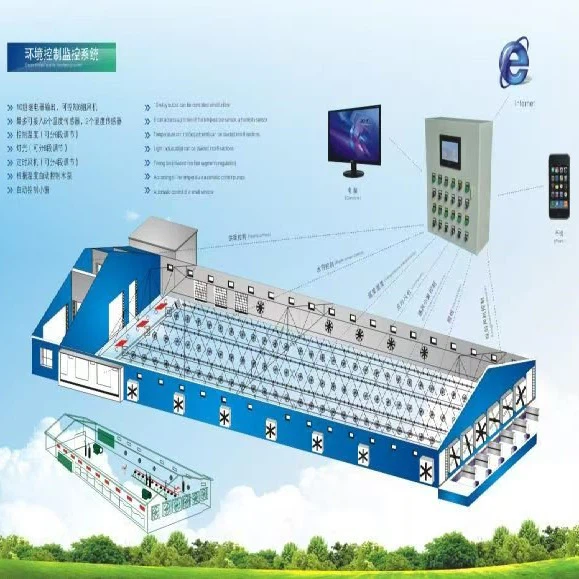
In addition to screw conveyors, we also offer Automatic Weighing/batching Systems and Automated Control Systems. These systems can work in tandem with screw conveyors to enhance the efficiency and accuracy of your material handling process.
Let's Talk!
If you're in the market for a screw conveyor or any of our other systems, don't hesitate to reach out. We'd be more than happy to discuss your specific needs and help you find the best solution for your operation. Whether you're a small business or a large industrial enterprise, we've got the expertise and the products to meet your requirements.
References
- "Bulk Material Handling Handbook" - Covers general principles of bulk material handling and different types of conveyors.
- "Industrial Conveyor Belt Technology" - Focuses on the technology behind belt-drive systems, including their advantages and limitations.