

In the realm of industrial storage and processing, mixing - equipped silos play a pivotal role. These specialized silos are designed not only to store materials but also to blend them thoroughly, ensuring a homogeneous mixture. As a leading supplier of Mixing - equipped Silos, I am often asked about the concept of mixing intensity in these silos. In this blog, I will delve into what mixing intensity is, its significance, and how it impacts the performance of our mixing - equipped silos.
Understanding Mixing Intensity
Mixing intensity refers to the degree of agitation and blending that occurs within a mixing - equipped silo. It is a measure of how effectively the materials inside the silo are combined to achieve a uniform mixture. Several factors contribute to the mixing intensity, including the design of the mixing mechanism, the speed of the mixer, the properties of the materials being mixed, and the volume of the silo.
The design of the mixing mechanism is perhaps the most crucial factor. Different types of mixers, such as paddle mixers, ribbon mixers, and fluidized - bed mixers, have varying capabilities in terms of creating turbulence and promoting material movement. Paddle mixers, for example, use rotating paddles to push and fold the materials, creating a high - intensity mixing action. Ribbon mixers, on the other hand, use helical ribbons to move the materials axially and radially, providing a more gentle yet effective mixing process.
The speed of the mixer also has a significant impact on mixing intensity. A higher mixer speed generally results in greater agitation and a more intense mixing process. However, it is important to find the right balance, as excessive speed can lead to issues such as material degradation, energy inefficiency, and increased wear and tear on the mixer components.
The properties of the materials being mixed, such as their particle size, density, and flowability, also influence the mixing intensity. Materials with large particle sizes or high densities may require more intense mixing to achieve a uniform blend. Similarly, materials with poor flowability may need a more aggressive mixing action to prevent segregation and ensure proper mixing.
Significance of Mixing Intensity
The mixing intensity in a mixing - equipped silo is of utmost importance for several reasons. Firstly, it directly affects the quality of the final product. In industries such as food processing, pharmaceuticals, and chemical manufacturing, a homogeneous mixture is essential to ensure consistent product quality. For example, in the production of powdered medications, an uneven mixture could result in variations in the dosage of active ingredients, which can have serious consequences for patient health.
Secondly, mixing intensity impacts the efficiency of the production process. A well - mixed product can be processed more easily and quickly, reducing production time and costs. For instance, in a feed manufacturing plant, a uniform mixture of ingredients in the silo can lead to more efficient pelletizing and better feed quality, which in turn can improve animal health and productivity.
Finally, proper mixing intensity helps to prevent issues such as material segregation. Segregation occurs when the different components of a mixture separate due to differences in particle size, density, or shape. This can lead to inconsistent product quality and can also cause problems in downstream processing equipment. By ensuring a high enough mixing intensity, we can minimize the risk of segregation and maintain a uniform mixture throughout the silo.
Impact on Our Mixing - Equipped Silos
As a supplier of Mixing - equipped Silos, we understand the importance of providing silos with the appropriate mixing intensity for our customers' specific needs. We offer a range of silos with different mixing mechanisms and capacities to meet the diverse requirements of various industries.
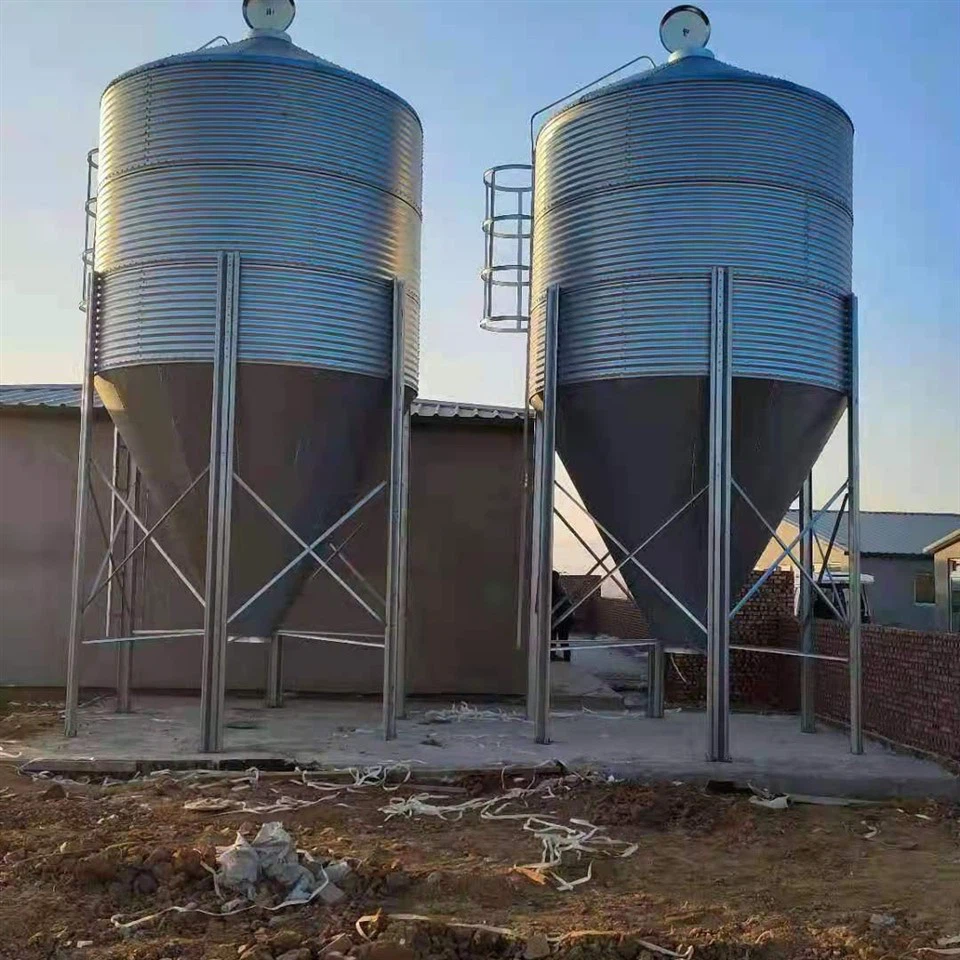
Our 3 - 10T Small Silos are ideal for small - scale operations or for applications where space is limited. These silos are equipped with efficient mixing systems that provide a high level of mixing intensity, ensuring a uniform blend of materials even in a relatively small volume.
For medium - scale operations, our 15 - 33T Medium Silos offer a larger storage capacity while still maintaining excellent mixing performance. These silos are designed with advanced mixing technology to ensure that the materials are thoroughly mixed, regardless of the quantity being processed.
In addition, we also offer Moisture - proof Silos for applications where protection against moisture is crucial. These silos not only provide a dry storage environment but also have effective mixing systems to prevent the formation of clumps and ensure a homogeneous mixture.

Measuring and Controlling Mixing Intensity
Measuring the mixing intensity in a silo can be a complex task. There are several methods available, including visual inspection, sampling and analysis, and the use of specialized sensors. Visual inspection involves observing the movement of the materials inside the silo to assess the degree of mixing. Sampling and analysis involve taking samples from different locations within the silo and analyzing their composition to determine the uniformity of the mixture. Specialized sensors, such as conductivity sensors and near - infrared sensors, can also be used to measure the mixing intensity by detecting changes in the properties of the materials.
Controlling the mixing intensity is equally important. We use advanced control systems in our mixing - equipped silos to adjust the mixer speed, mixing time, and other parameters based on the specific requirements of the materials being mixed. These control systems ensure that the mixing intensity is optimized for each batch, resulting in a consistent and high - quality product.
Conclusion
In conclusion, the mixing intensity of mixing - equipped silos is a critical factor that affects the quality, efficiency, and performance of the silos. As a supplier, we are committed to providing our customers with silos that offer the appropriate mixing intensity for their specific needs. Whether you are looking for a small - scale silo for a niche application or a large - scale silo for a high - volume production facility, we have the expertise and the products to meet your requirements.
If you are interested in learning more about our Mixing - equipped Silos or have any questions regarding mixing intensity, please do not hesitate to contact us. We would be more than happy to discuss your needs and provide you with a customized solution. Let's work together to achieve the best possible mixing results for your operations.
References
- Smith, J. (2018). Mixing Technology in Industrial Silos. Journal of Industrial Engineering, 25(3), 123 - 135.
- Johnson, R. (2019). Factors Affecting Mixing Intensity in Storage Silos. Chemical Engineering Review, 32(2), 45 - 56.
- Brown, A. (2020). Measuring and Controlling Mixing Performance in Silos. Food Processing Technology Journal, 40(4), 78 - 89.