

In the realm of modern poultry farming, the efficiency and reliability of equipment play a pivotal role in ensuring the well - being of the birds and the profitability of the operation. As a well - established supplier of Automatic Drinking Lines, I am often asked a crucial question: Do automatic drinking lines have a flow control valve? In this blog post, I will delve into this topic, exploring the importance of flow control valves in automatic drinking lines, how they function, and the benefits they bring to poultry farmers.
The Significance of Flow Control in Automatic Drinking Lines
Water is a fundamental necessity for poultry. Adequate water intake is essential for maintaining proper physiological functions, such as digestion, temperature regulation, and overall health. In an automatic drinking line system, the ability to control the flow of water is of utmost importance. Without proper flow control, birds may either receive too little water, leading to dehydration and reduced growth rates, or too much water, which can result in wet litter, increased ammonia levels, and the spread of diseases.
A flow control valve in an automatic drinking line acts as a regulator, ensuring that the right amount of water is dispensed to the birds at all times. This is particularly important as the water requirements of poultry change depending on their age, breed, and environmental conditions. For example, younger chicks have different water consumption needs compared to mature birds. Additionally, during hot weather, birds tend to drink more water to cool down, and a flow control valve can adjust the water flow accordingly.
How Flow Control Valves Work in Automatic Drinking Lines
Flow control valves in automatic drinking lines operate based on different principles, but most commonly, they use a combination of mechanical and hydraulic mechanisms. One of the most prevalent types is the pressure - regulated flow control valve. In this system, the valve is designed to maintain a constant pressure within the drinking line. When the pressure in the line rises above a set threshold, the valve restricts the flow of water, and when the pressure drops, it allows more water to pass through.
Another type is the flow - rate regulated valve. This valve is calibrated to deliver a specific volume of water per unit of time. It uses a metering device, such as an orifice or a piston, to control the flow rate. The advantage of this type of valve is that it provides a more precise control of water consumption, which is beneficial for managing the water intake of the birds accurately.
Some advanced flow control valves are also equipped with electronic sensors and controllers. These smart valves can monitor various parameters, such as water pressure, temperature, and the number of birds accessing the drinking line. Based on this data, the valve can automatically adjust the flow rate to meet the changing needs of the flock.
Benefits of Having Flow Control Valves in Automatic Drinking Lines
1. Improved Water Management
Flow control valves allow for precise regulation of water consumption, which helps in reducing water waste. By ensuring that the birds receive only the amount of water they need, farmers can save on water costs and also minimize the environmental impact associated with excessive water usage.
2. Enhanced Bird Health
Proper water flow control helps in maintaining the quality of the water in the drinking line. When the water flow is consistent, there is less chance of stagnant water, which can harbor bacteria and other pathogens. This reduces the risk of water - borne diseases, such as avian influenza and salmonellosis, and promotes better overall health and growth of the birds.
3. Optimal Growth and Productivity
When birds have access to the right amount of water at all times, they are more likely to reach their full growth potential. Adequate water intake is essential for proper feed conversion, which means that the birds can convert the feed they consume into body mass more efficiently. This leads to higher productivity and better economic returns for the farmers.
4. Compatibility with Other Systems
Flow control valves in automatic drinking lines can be integrated with other poultry farming systems, such as Automatic Spray Disinfection Systems and Automatic Rasing Feeding Lines. This integration allows for a more comprehensive and automated approach to poultry management, reducing the need for manual intervention and improving the overall efficiency of the farm.
Factors to Consider When Choosing a Flow Control Valve for Automatic Drinking Lines
1. Compatibility
It is crucial to choose a flow control valve that is compatible with the existing automatic drinking line system. Different systems may have different pressure requirements, pipe sizes, and connection types, and the valve must be able to integrate seamlessly with the system.
2. Accuracy
The accuracy of the flow control valve is an important factor. A more accurate valve will be able to deliver the precise amount of water required by the birds, leading to better water management and bird health. Look for valves that have been tested and certified for accuracy.

3. Durability
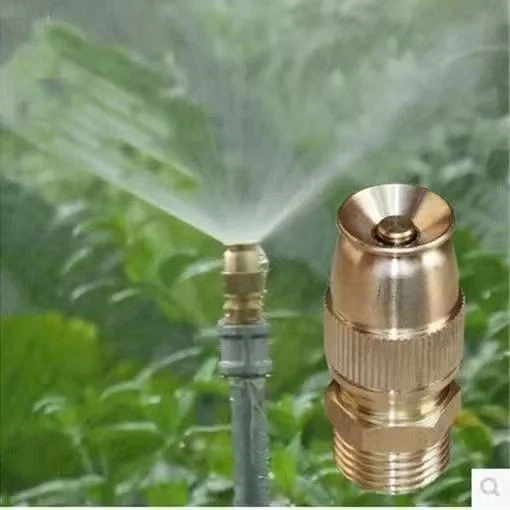
Poultry farming environments can be harsh, with high humidity, ammonia, and other corrosive substances. Therefore, the flow control valve should be made of durable materials that can withstand these conditions. Valves made of stainless steel or high - quality plastics are often a good choice.
4. Ease of Maintenance
Regular maintenance is essential for the proper functioning of the flow control valve. Choose a valve that is easy to access, clean, and repair. Valves with simple designs and few moving parts are generally easier to maintain.
Conclusion
In conclusion, flow control valves are an essential component of automatic drinking lines in poultry farming. They play a crucial role in ensuring proper water management, enhancing bird health, and improving overall productivity. As a supplier of Automatic Drinking Lines, I understand the importance of providing high - quality flow control valves to our customers.
If you are a poultry farmer looking to upgrade your automatic drinking line system or are in the process of setting up a new farm, I encourage you to consider the benefits of having a flow control valve. Our team of experts is always ready to assist you in choosing the right valve for your specific needs. We can provide you with detailed information about our products, offer technical support, and even help with the installation and maintenance of the system.
Don't hesitate to reach out to us if you have any questions or would like to discuss your requirements further. We are committed to providing you with the best solutions for your poultry farming operation.
References
- Poultry Science Journal, various issues on poultry water management.
- Agricultural Engineering Handbook, sections on poultry farming equipment.
- Industry reports on modern poultry farming technologies.